

Can Insulin Resistance Affect Your Skin? The Overlooked Acne Connection
When acne persists despite topical treatments and skincare adjustments, the cause may not be entirely external. In some individuals, metabolic factors such as insulin resistance can influence oil production, inflammation, and hormonal balance — all of which affect the skin.
This article explores the connection between insulin resistance and acne, and why systemic management may sometimes support clearer skin.
How Insulin Influences Skin Health
Insulin helps regulate blood sugar levels. When the body becomes less responsive to insulin, it compensates by producing more. Elevated insulin levels can stimulate androgen activity and increase sebum production.
Skin-related signs sometimes associated with insulin imbalance include:
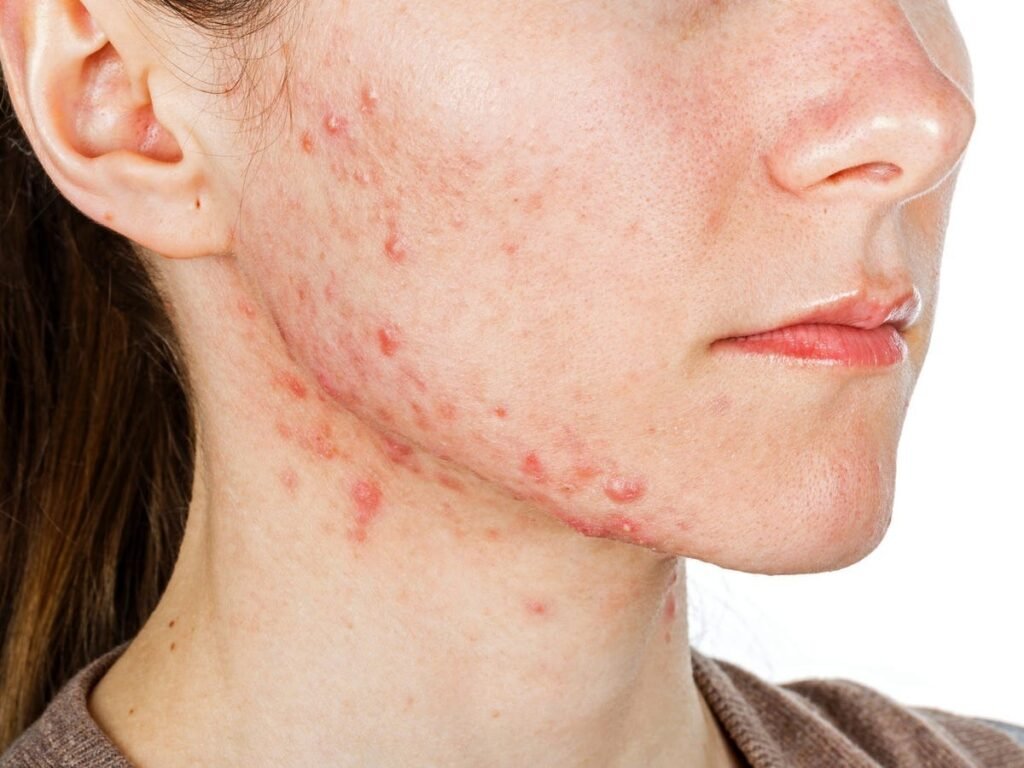
- Persistent adult acne
- Oily skin
- Slow healing of blemishes
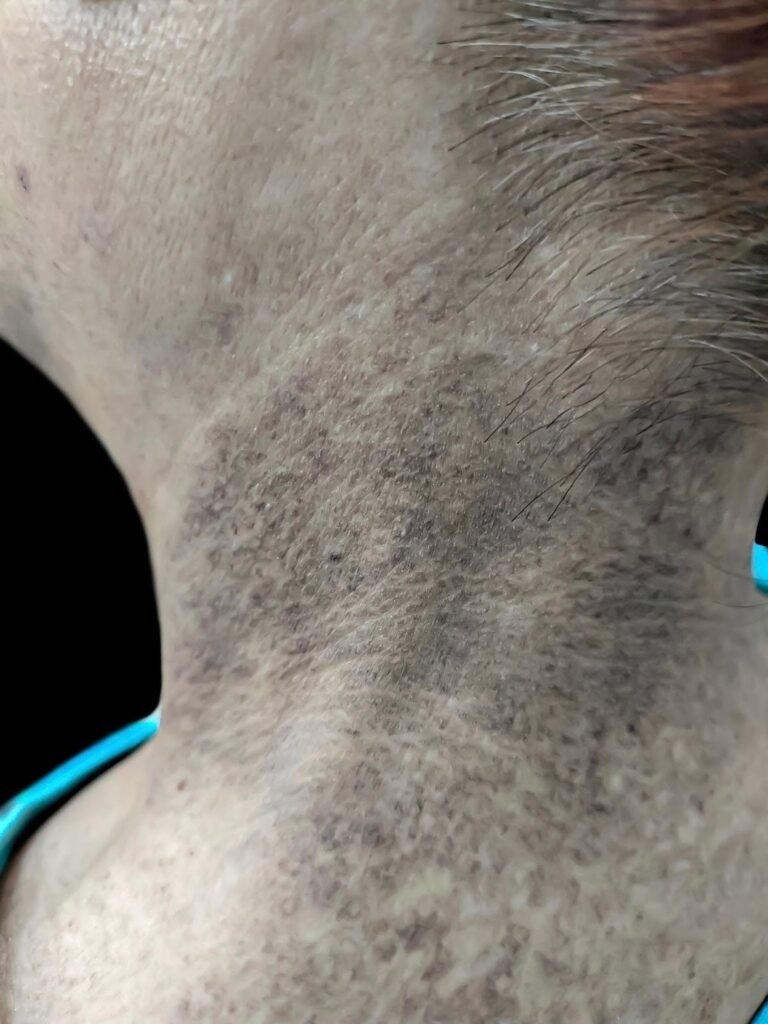
- Darkened skin folds (acanthosis nigricans)
- Increased inflammation
Because these changes originate internally, topical treatments alone may not fully address them.

How Metformin Supports Metabolic Balance
Metformin is commonly used to improve insulin sensitivity and reduce excess glucose production in the liver. By stabilizing insulin levels, it may indirectly help reduce hormonal fluctuations that contribute to acne.
Potential systemic benefits include:
- Lower circulating insulin levels
- Improved hormonal regulation
- Reduced inflammatory signaling
- Better long-term metabolic balance
According to the Endocrine Society, insulin resistance plays a significant role in metabolic and hormonal disorders that can present with visible skin manifestations.

Who Might Consider Metabolic Evaluation?
A healthcare provider may explore insulin-related factors in individuals who:
- Experience stubborn adult acne
- Have signs of metabolic imbalance
- Are diagnosed with PCOS
- Do not respond fully to topical acne therapy
Addressing internal triggers can complement external treatments.
What to Expect From Systemic Support
Because metabolic regulation works gradually, improvements may develop over months rather than weeks.
Patients may observe:
- Fewer severe breakouts
- More stable oil production
- Improved skin clarity over time
Lifestyle factors such as balanced nutrition and regular activity further support results.
Choosing a Metformin Option
Dosage accuracy and formulation consistency are important for metabolic management. A commonly selected option is:
👉 metformin tablets for insulin resistance
https://okdermo.com/product/okamet-metfor-glyciphage-sr-glycoheal-tablets-1×60/
Sustained-release formulations are often chosen for improved gastrointestinal tolerance.
Important Safety Considerations
Metformin should always be used under medical supervision. Consultation is especially important for individuals who:
- Have kidney-related conditions
- Take medications affecting glucose metabolism
- Experience persistent gastrointestinal symptoms
Professional oversight ensures safe and appropriate treatment.
Conclusion
Acne is not always purely a surface-level issue. In some individuals, insulin resistance and metabolic imbalance contribute to persistent breakouts and skin changes. By improving insulin sensitivity, metformin may indirectly support clearer and more stable skin over time.
Combining medical evaluation, healthy lifestyle habits, and appropriate skincare can create a more comprehensive approach to long-term skin health.